
SAE WCX 2024 – Year in Review

The SAE World Congress was held in Detroit and covered a broad range of topics pertinent to transport decarbonization. Here’s a link to download presentations on emissions and sustainability.

The SAE World Congress was held in Detroit and covered a broad range of topics pertinent to transport decarbonization. Here’s a link to download presentations on emissions and sustainability.

EU Commission finds real-world CO2 emissions from cars and vans in Europe greatly exceed lab certification values. Plug-in hybrids are not being charged as much as estimated.
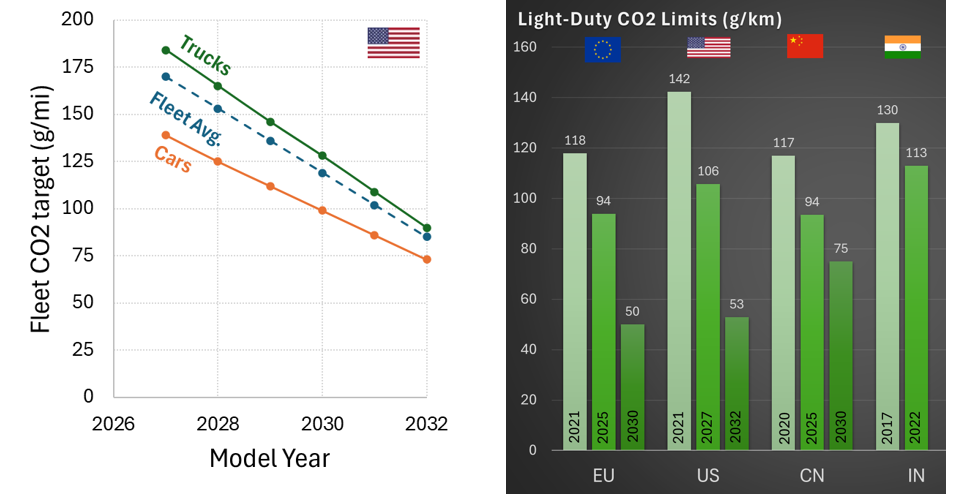
The EPA final rule will require a fleet averaged 50% reduction in CO2 emissions for light-duty vehicles, over MY 2027 – 2032.
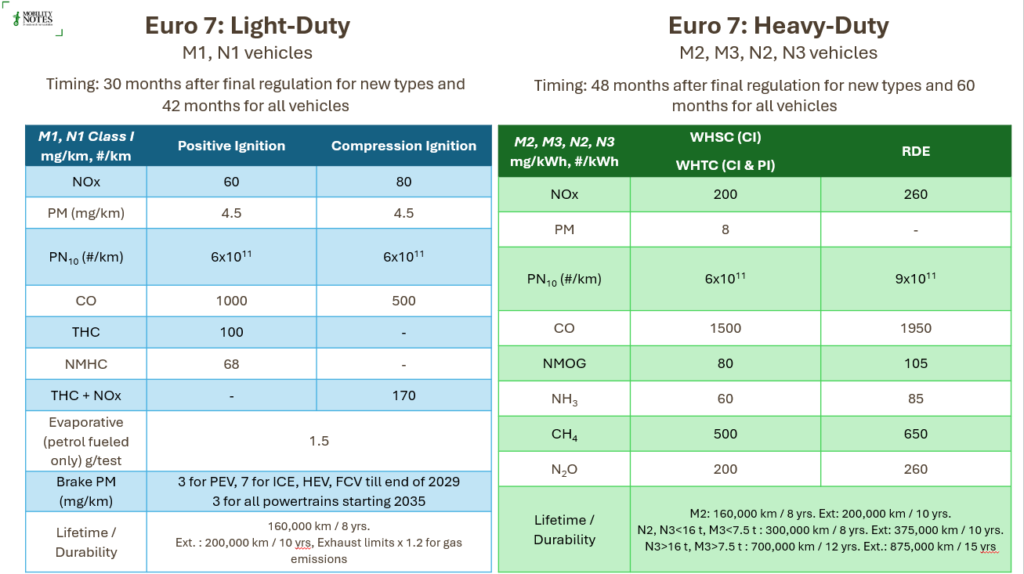
A brief summary of the near-final Euro 7 regulations for light- and heavy-duty vehicles.

Will the European Council support the Commission’s and Parliament’s commitment to enforce more stringent standards for refueling and evaporative emissions as part of Euro 7 ?

The EU Parliament has cast its vote on Euro 7, siding with the Commission on the stringency level but with some delays. This completes the trilogy, but the final season is yet to air.

Here’s a look at the recent proposal by the EU Council on Euro 7 standards for passenger cars and heavy-duty vehicles.
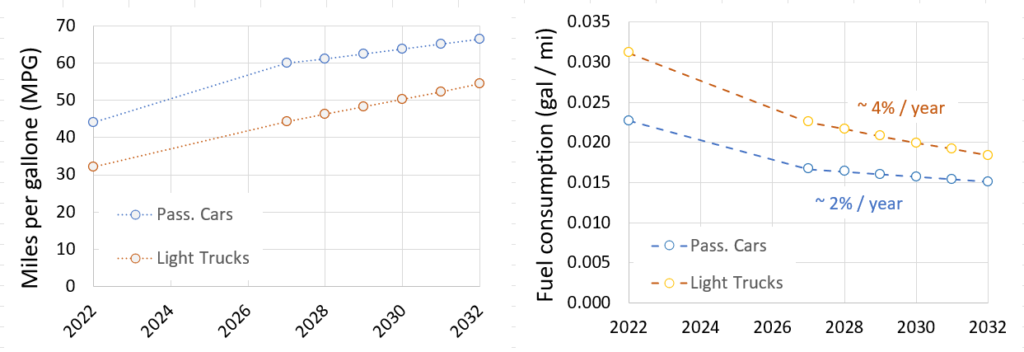
Here’s the first look at the CAFE standards proposed by NHTSA for model year 2027 through 2032 cars and light trucks. More to come.
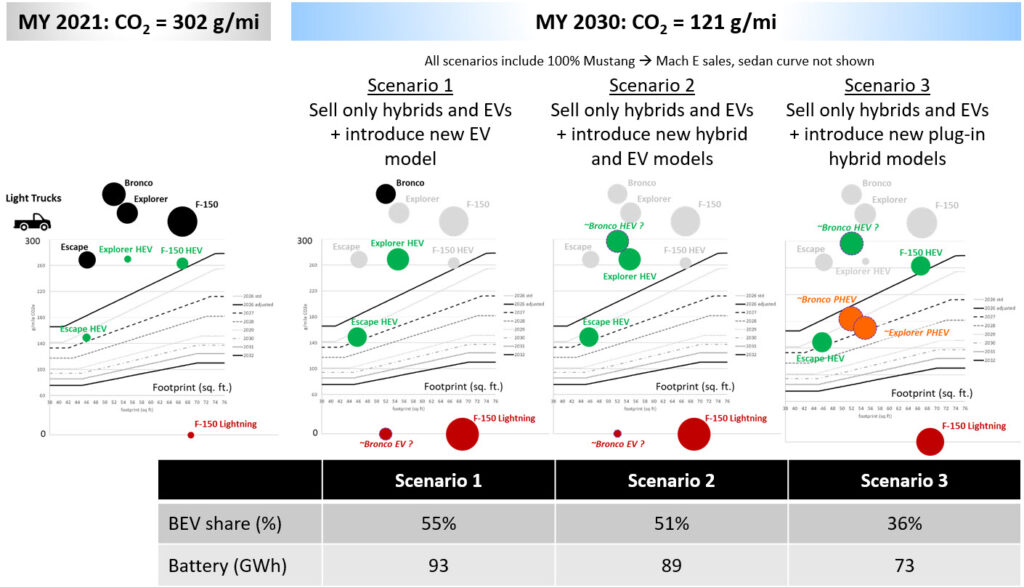
How are light-duty cars and trucks expected to meet future EPA fuel economy standards? What level of electrification would be required? Would hybrids play a role? How does one go about calculating it? Here’s a case study attempting to address some of these questions.
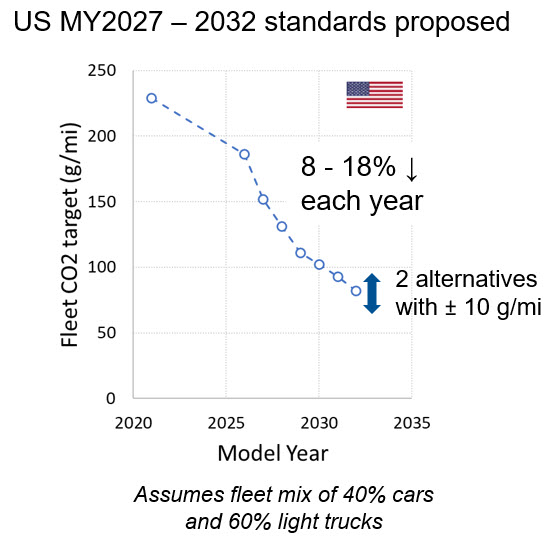
On April 12th 2023, the U.S. EPA published a proposal to further reduce greenhouse gas and criteria pollutant emissions from light- and medium-duty vehicles beyond model year 2027. Here is a summary of this “multi-pollutant” regulatory proposal.