
Technology Deepdive : Opposed piston engines

Opposed piston engines are being developed as a tool to reduce CO2 and NOx emissions from heavy-duty trucks. Here’s a deeper look into this technology and recent test results.

Opposed piston engines are being developed as a tool to reduce CO2 and NOx emissions from heavy-duty trucks. Here’s a deeper look into this technology and recent test results.
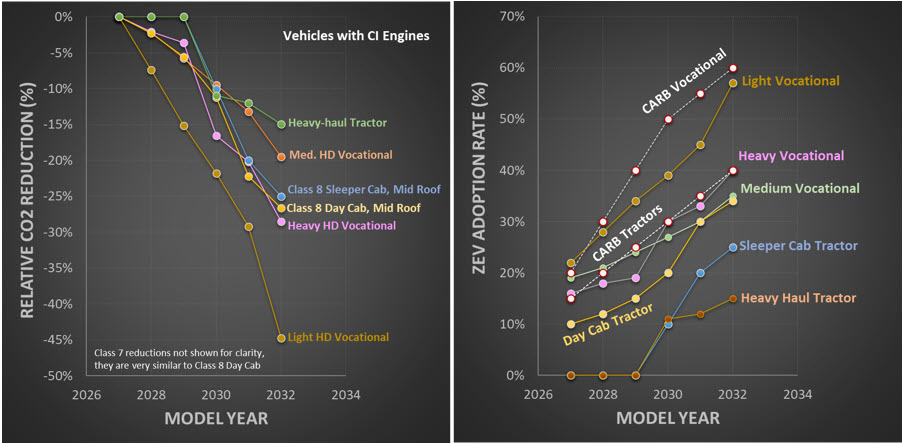
A downloadable summary of the U.S. EPA announced the Phase 3 GHG proposal for heavy-duty vehicles. From 2027 to 2032, 45% reduction in CO2 emissions for light vocational vehicles and 25% for Class 8 sleeper cabs. Over half of light vocational and a quarter of sleeper cabs expected to be ZEVs by 2032.
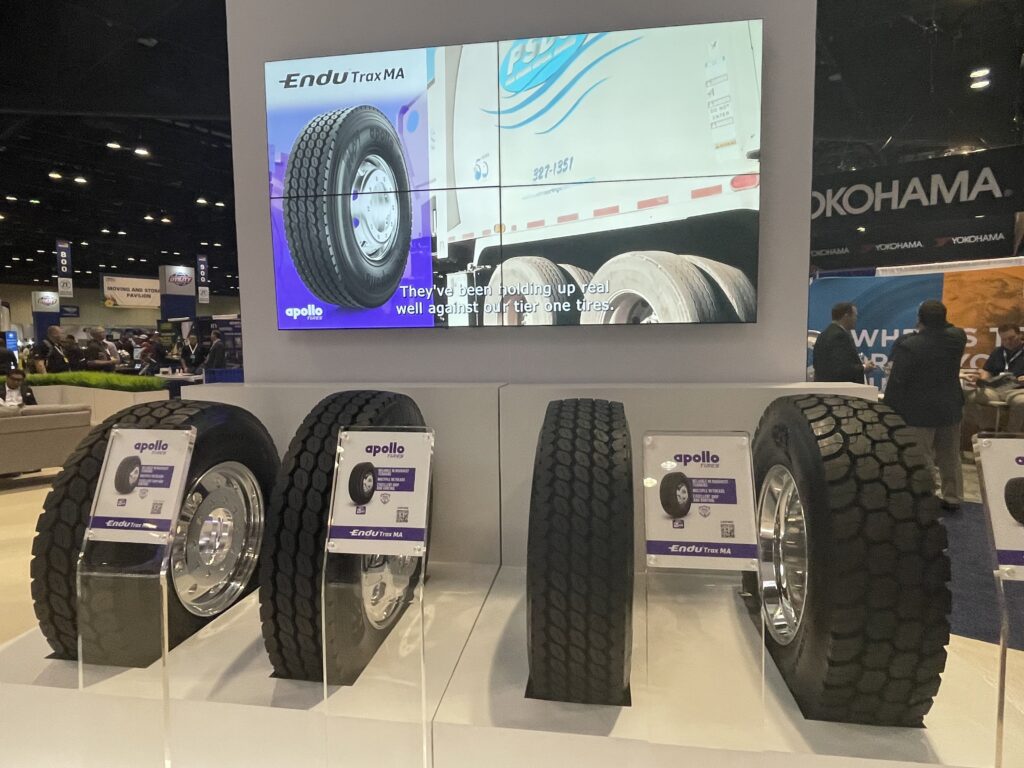
Tire manufacturers are developing the next generation tires for light- and heavy-duty vehicles to address the new performance and sustainability needs of electrified fleets.
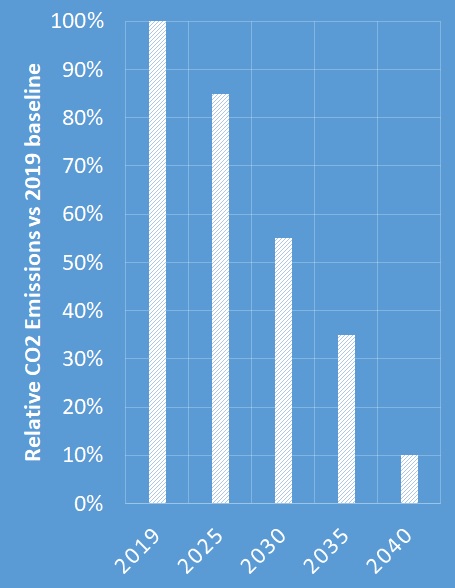
Europe has proposed an ambitious revision to its heavy-duty vehicle CO2 emission standards. Here’s a summary of some of the revised and new elements
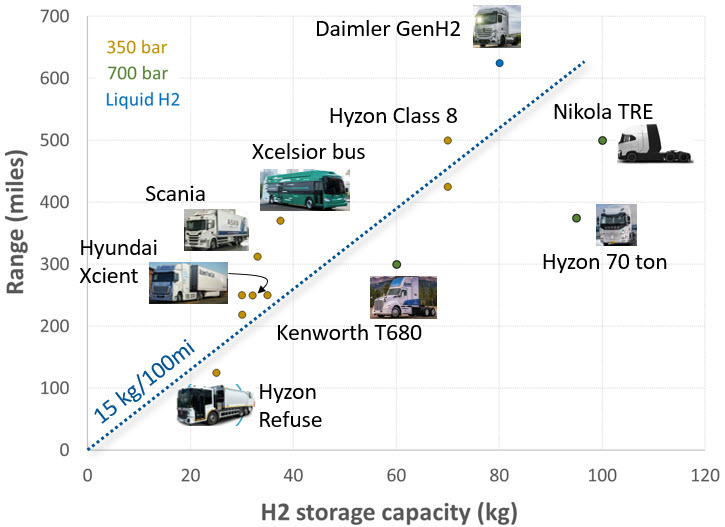
An updated summary of available hydrogen fuel cell electric trucks and buses, their announced range and hydrogen capacity.
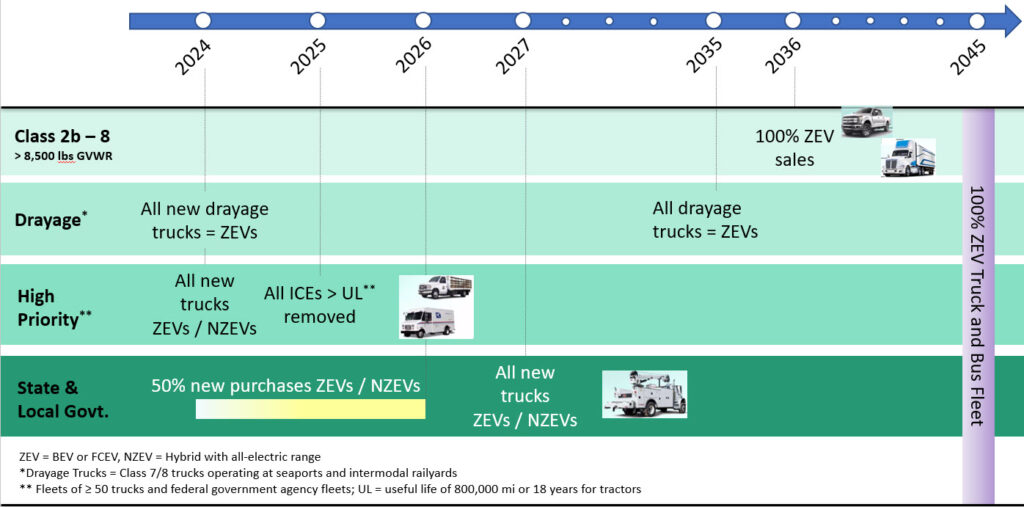
A summary of CARB’s latest Advanced Clean Fleets proposal for heavy-duty truck electrification as discussed in the February 2023 Workshop.

The US EPA has finalized its standards for heavy duty engines starting model years 2027 and beyond. Here is a summary of the standards and a high-level comparison with California’s low NOx rule published earlier.

We show that to convert 25% of the long-haul truck fleet in the US to hydrogen fuel cell will require doubling of the total H2 demand and doubling of the renewable electricity generation in the US today.
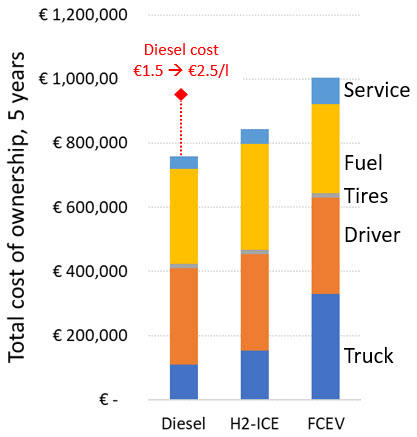
Here’s an attempt at deconvoluting the cost of ownership of H2-ICE and a comparison with diesel and fuel cell vehicles.
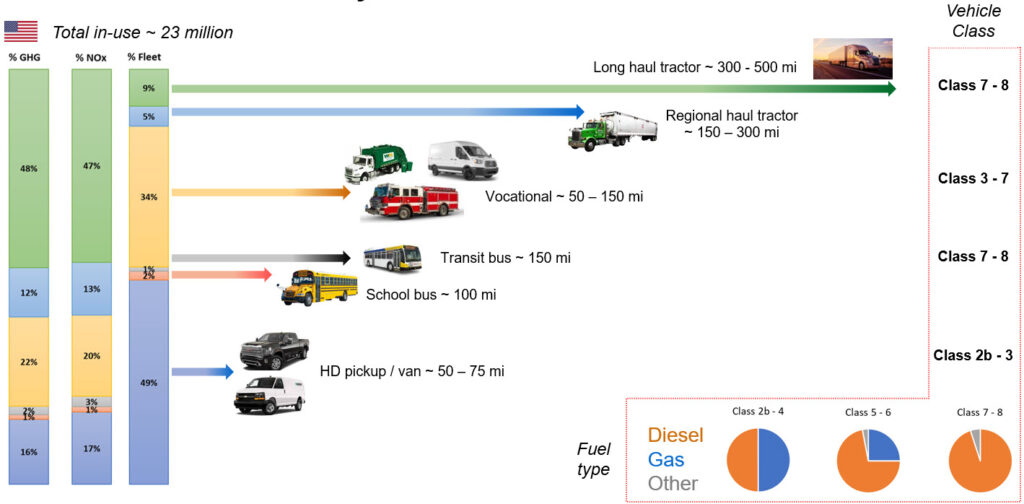
Heavy-duty vehicles cover a very wide range of applications and typical driving profiles. A one-size-fits-all approach is unlikely to work for reaching zero tailpipe emissions from this sector. Here’s a summary of the application diversity from a US viewpoint.