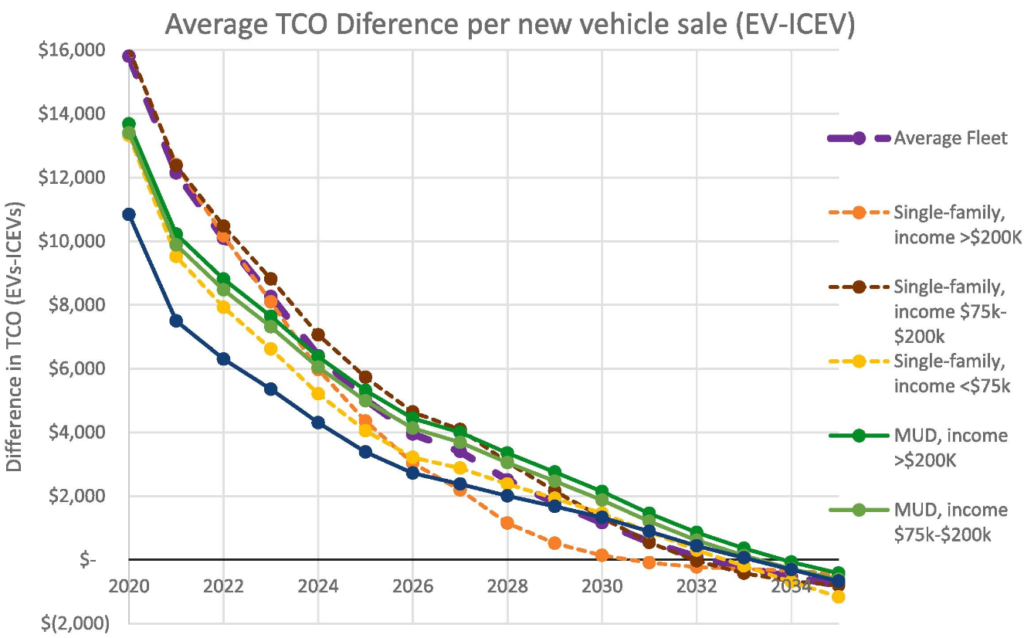
True total cost of ownership still a decade away

New study analyzes the cost of transition to electric vehicles in California, including socio-economic factors. The burden will shift to lower income groups in later years.

New study analyzes the cost of transition to electric vehicles in California, including socio-economic factors. The burden will shift to lower income groups in later years.
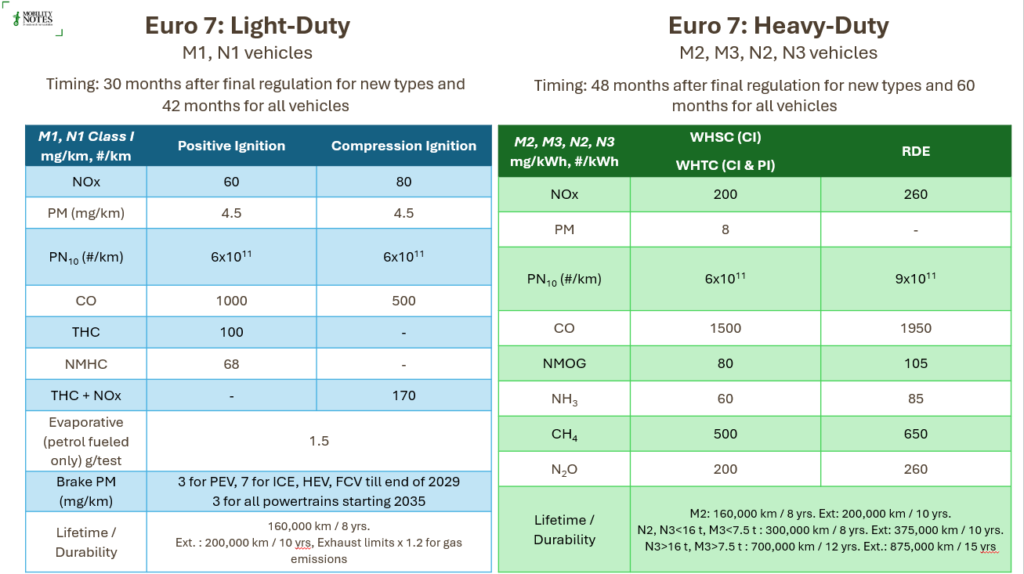
A brief summary of the near-final Euro 7 regulations for light- and heavy-duty vehicles.
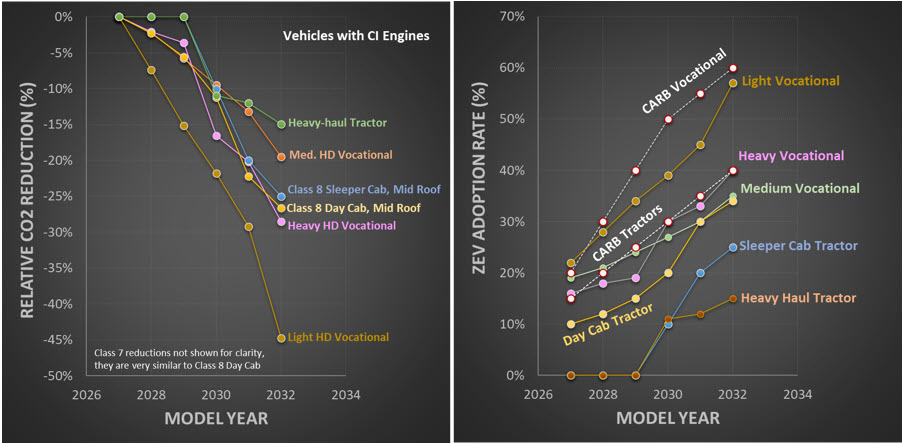
A downloadable summary of the U.S. EPA announced the Phase 3 GHG proposal for heavy-duty vehicles. From 2027 to 2032, 45% reduction in CO2 emissions for light vocational vehicles and 25% for Class 8 sleeper cabs. Over half of light vocational and a quarter of sleeper cabs expected to be ZEVs by 2032.
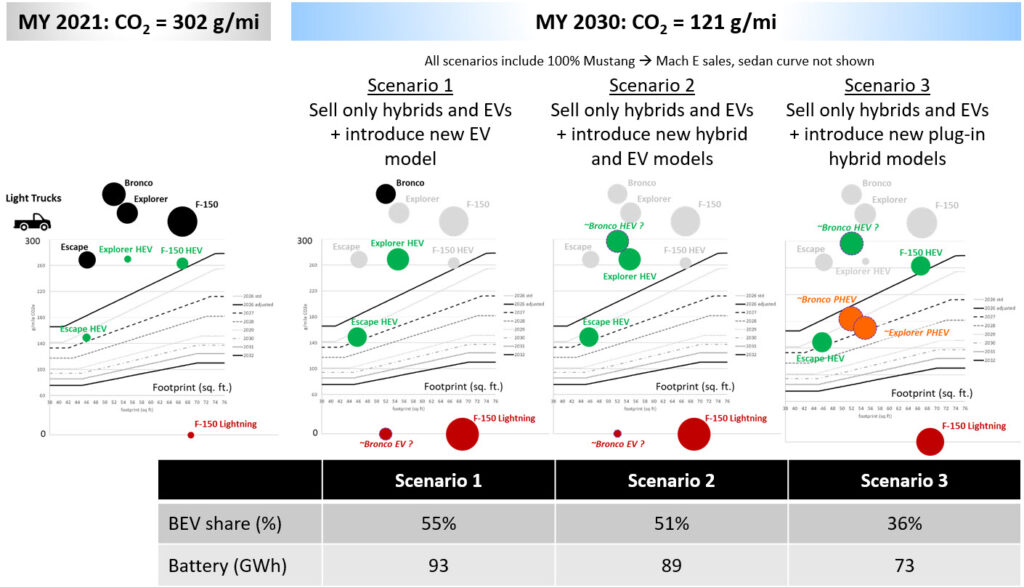
How are light-duty cars and trucks expected to meet future EPA fuel economy standards? What level of electrification would be required? Would hybrids play a role? How does one go about calculating it? Here’s a case study attempting to address some of these questions.
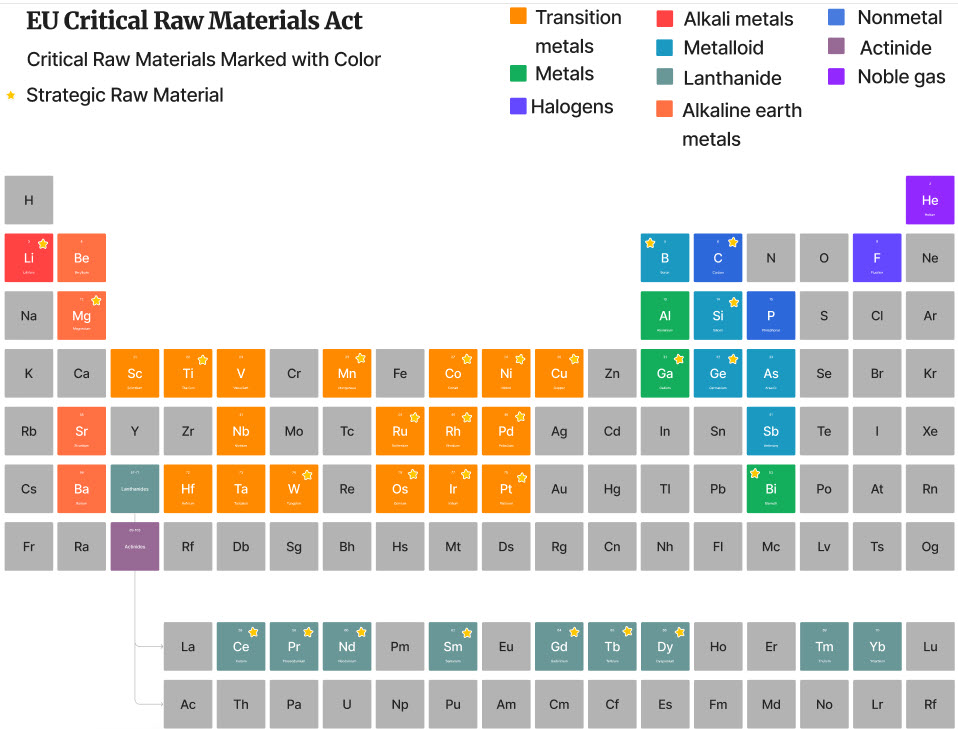
The European Commission has published the Critical Raw Materials Act, which aims to bolster the supply of strategic raw materials for a decarbonized future. Here’s a summary.
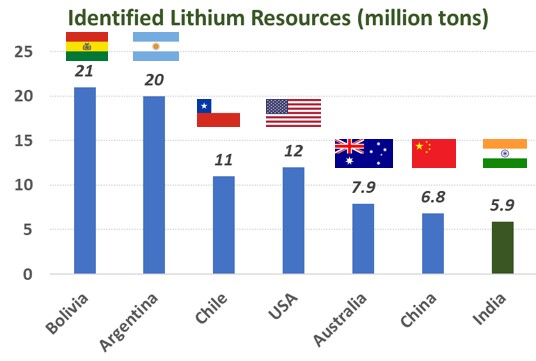
A deeper look into India’s recent finding of new Lithium resources, the meaning of “inferred” and an estimate of the impact on electrification for Indian transport.

A summary of Benchmark Minerals Cathodes 2022 conference.

What’s better than a long-term EV outlook? Two outlooks, both published in the same month. Here’s a quick comparison of some of the important aspects pertinent to the rate of electric vehicle uptake.
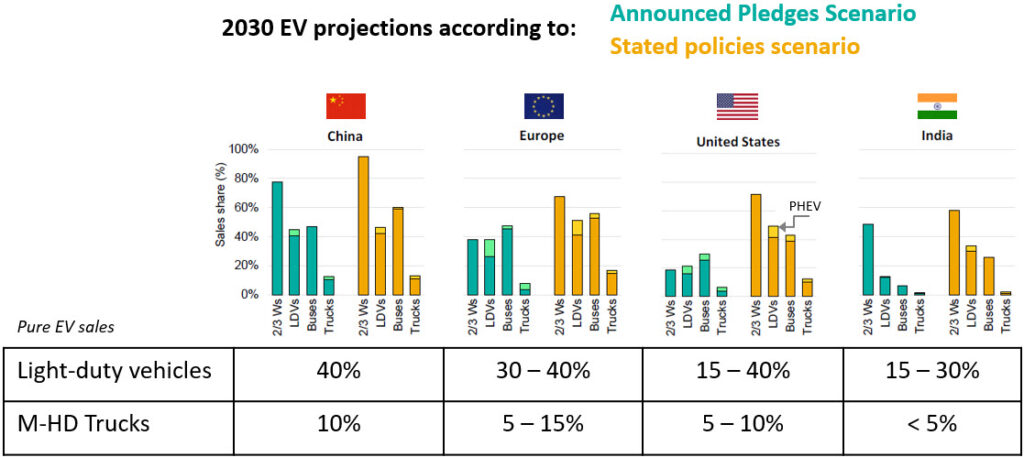
Highlights from the International Energy Agency (IEA) annual outlook on electric vehicles, and the associated view on the batteries and infrastructure needed to 2030.
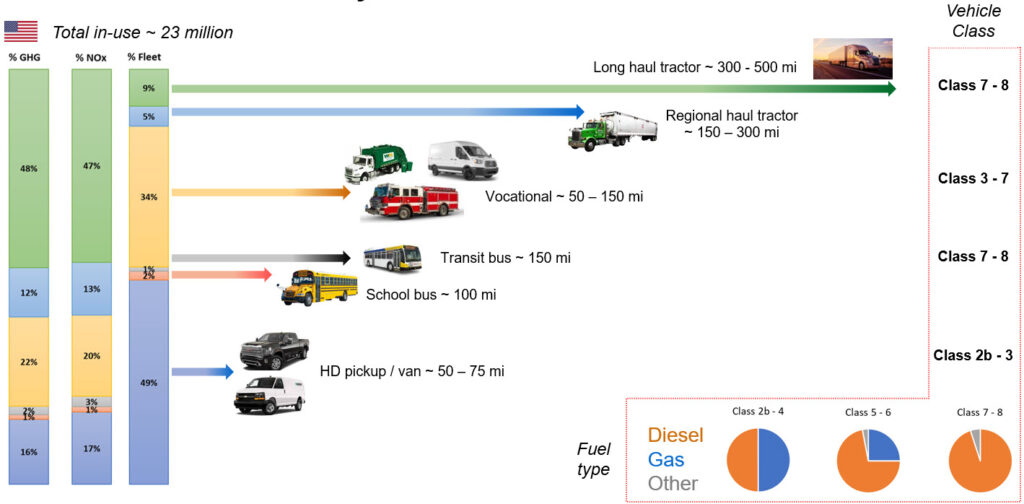
Heavy-duty vehicles cover a very wide range of applications and typical driving profiles. A one-size-fits-all approach is unlikely to work for reaching zero tailpipe emissions from this sector. Here’s a summary of the application diversity from a US viewpoint.